

InterferometricTechniques
jackknify
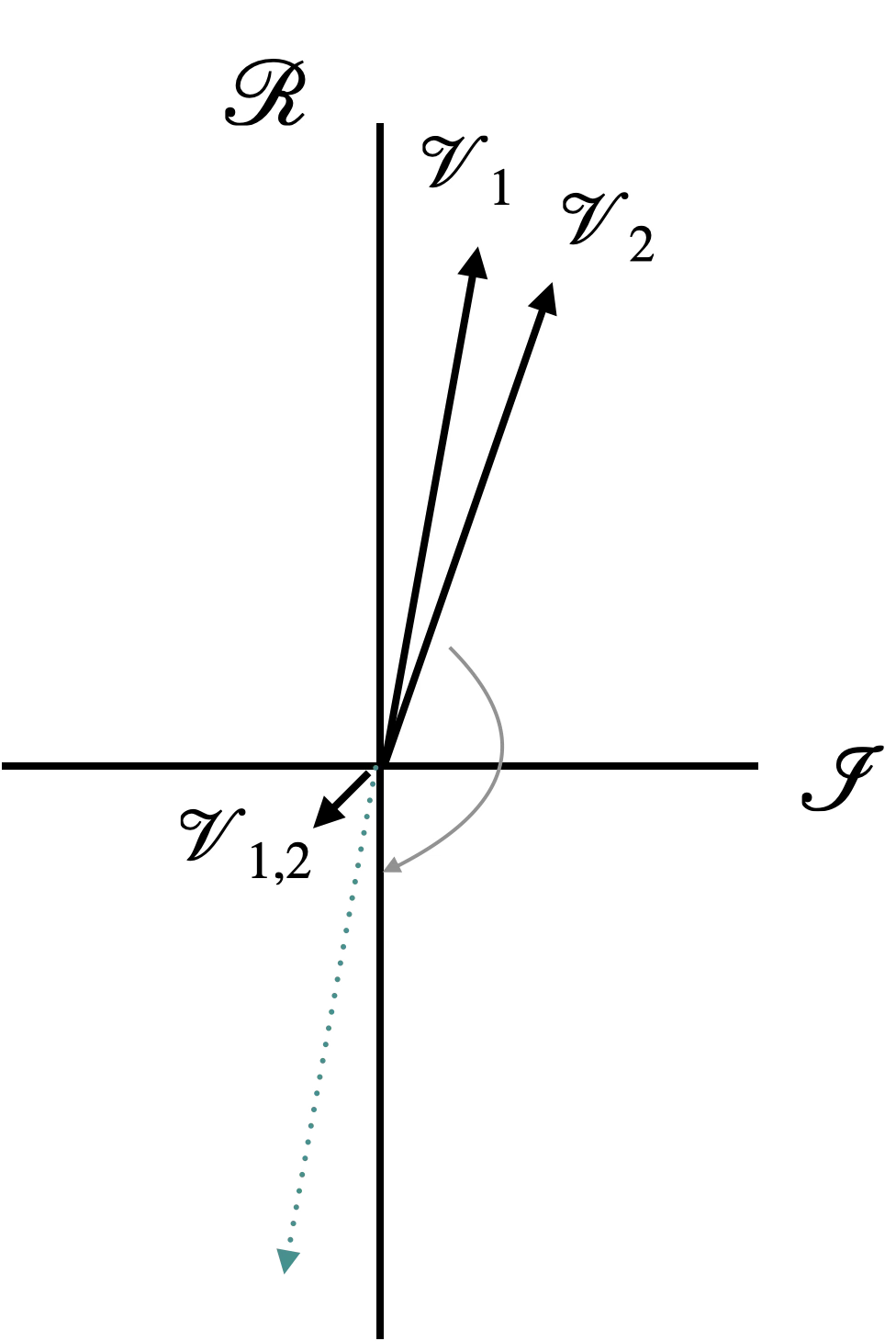
I like the idea that modern astronomers have dual expertise: first in their science, the driver of curiosity-driven research, and second in their analysis techniques. This can be the ability to handle large data volumes, for example with machine-learning techniques, or a thorough understanding of a specific data type and how to properly quantify its noise. jackknify falls into the latter category. By randomly inverting the sign of half the visibilities, we generate observation-specific noise realizations, which we then use to estimate the likelihood of false detections in extragalactic source identification. We have applied this method in several papers to test detections of the first galaxies with ALMA.
Key Papers:

Luv-finder
Luv-finder takes this idea a step further. Instead of searching for faint spectral lines in images, it searches the interferometer data directly. The search is fast thanks to JAX-accelerated analytical expressions of the source flux and a delay transform that applies a matched filter in the uv-plane. Running the same search on a noise-only copy of the data, created with jackknify, then tells us which detections are real. As a benchmark, it recovers all published lines and continuum sources from the ALMA Spectroscopic Survey in the Hubble Ultra Deep Field (ASPECS) and provides more robust fidelity for low signal-to-noise sources, making it ideal for measuring luminosity functions.
Luv-finder is still in development, and a methods paper and a software paper are in preparation.